ERP for Retail and Point of Sale
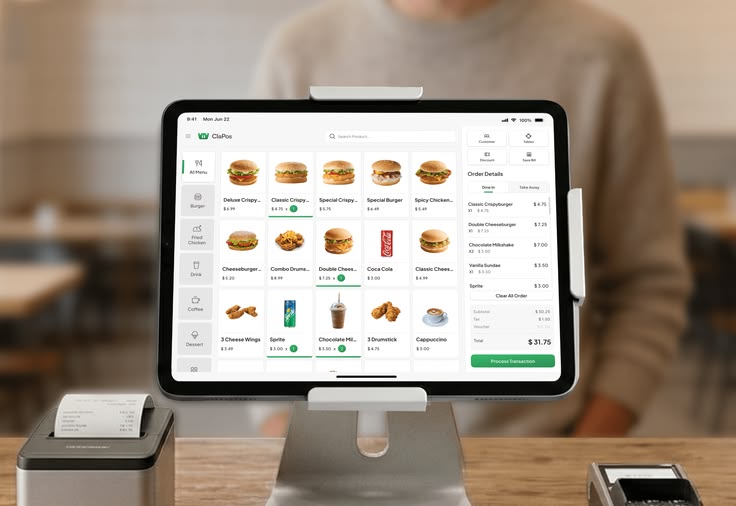
Why Retail Businesses Need ERP
Running a retail business today means solving the same problem from every angle: keep enough stock to meet demand without tying up cash in excess inventory, keep every sales channel — in-store and online — consistent, and keep operations lean enough to stay profitable in a crowded market.
An ERP built for retail gives you one platform to manage all of it. Instead of juggling separate systems for POS, stock, and online sales, your operations, automation, and reporting live in one place — built for sustainable growth, not just day-to-day survival.
Benefits of ERP for Retail
Centralized data across every location
Sales, inventory, customer, and supplier data all live on one platform. For a multi-store retail chain, that means every location works from the same information — a promotion launched at head office rolls out consistently across every branch, and purchasing trends are visible across the whole business, not just one store.
Centralized data also means centralized inventory: it's far easier to catch stockouts before they cost you a sale, and to forecast restocking needs across every location instead of managing each store's inventory in isolation.
Automated, connected operations
Linking inventory, accounting, sales, and purchasing eliminates the information gaps between departments and cuts down on manual errors. Integrating your cash register and payment terminals directly with your ERP means payments, billing, and accounting stay in sync regardless of how a customer pays — and automated restocking triggers reorders the moment stock hits a critical threshold, so products stay on shelves without manual tracking.
This kind of automation also frees up staff time. Less time spent on manual admin means more time for customer service, handling returns, and running promotions and loyalty programs.
Real-time visibility for faster decisions
Retail demand shifts fast. Real-time access to sales, stock levels, and product performance lets you react as it happens — adjusting stock based on early demand signals rather than waiting for end-of-month reports. Sales analysis also makes it easy to spot your best-performing products, run targeted promotions, and fine-tune pricing to protect margins.
Key Features of ERP for Retail
Billing & Payment Management
Generate invoices, track payments, and keep cash flow healthy.

Financial & Accounting Management
Manage cash flow, budgets, and financial reporting for the business.

Point of Sale System
Manage transactions, track inventory in real time, and deliver a smooth in-store checkout experience.

Business Intelligence & Reporting
Analyze trends and performance with customized retail reports.

Inventory Management
Track stock levels, manage supplies, and minimize stockouts across every location.

Purchasing Management
Automate procurement workflows, manage suppliers, and control purchase contracts.

Marketing Automation
Run targeted campaigns and track performance to drive customer engagement.

HR & Workforce Tools
Handle leave and absence planning, recruitment, and personnel administration for retail staff across locations.

Recruitment and Talent Management
Attract and retain top retail talent with streamlined recruitment, candidate evaluation, and team development.

CRM & Sales Management
Track leads, automate sales workflows, and build stronger customer relationships.

Personnel Administration
Simplify HR management, boost employee performance, automate processes, and ensure compliance for efficient retail workforce management.

Website & eCommerce Management
Run your online store and in-store operations from one connected platform.